History
THE BEGINNING
With the art of woodcarving first dealt Adravidiotis Nicholas (1896-1954), who relying solely on his natural talent for dealing with this art, he managed to become a leading teacher of woodcarving.
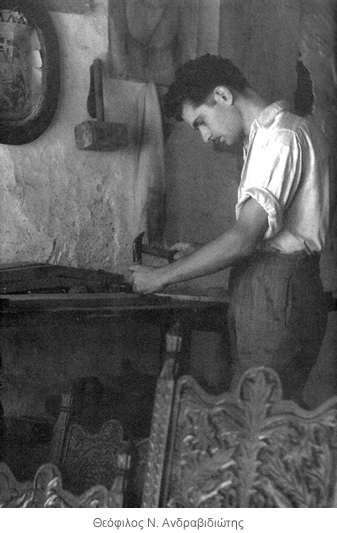
He created unique works of ecclesiastical art, often praised by Greek and European critics. Worthy descendants and successors of the great artist are Nicholas’ sons, Theophilos and John, who have studied at the side of their father, a great successor of the Byzantine tradition. Theophilos was born in Zakynthos in 1930 and from a very early age began to take drawing and wood carving lessons by his father, together with his brother John. Later he came in Athens, where a few years later came and settled the whole family.
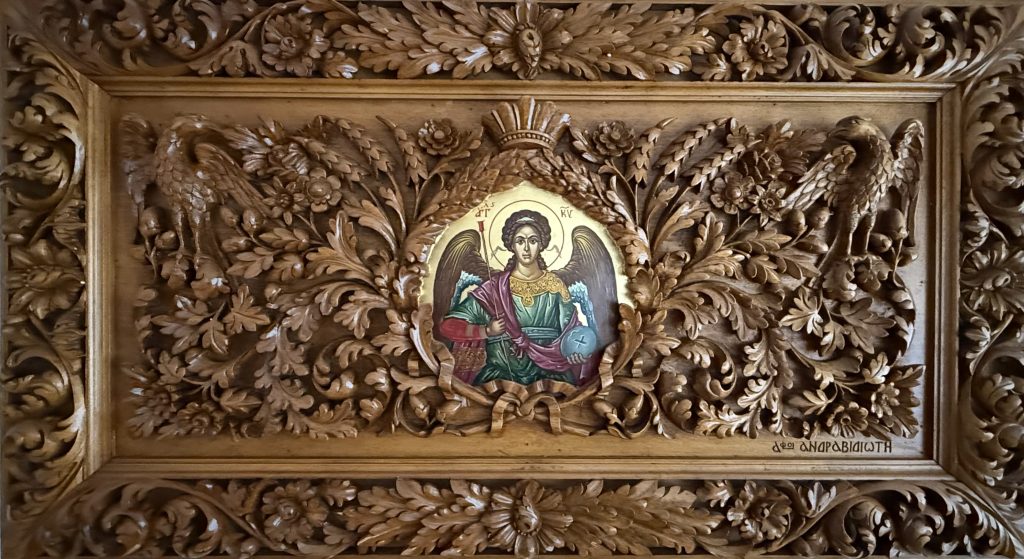
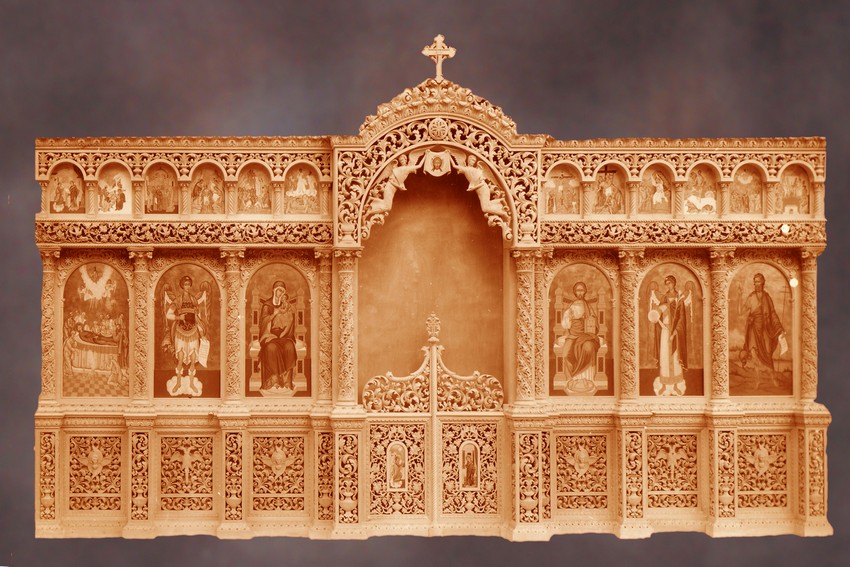
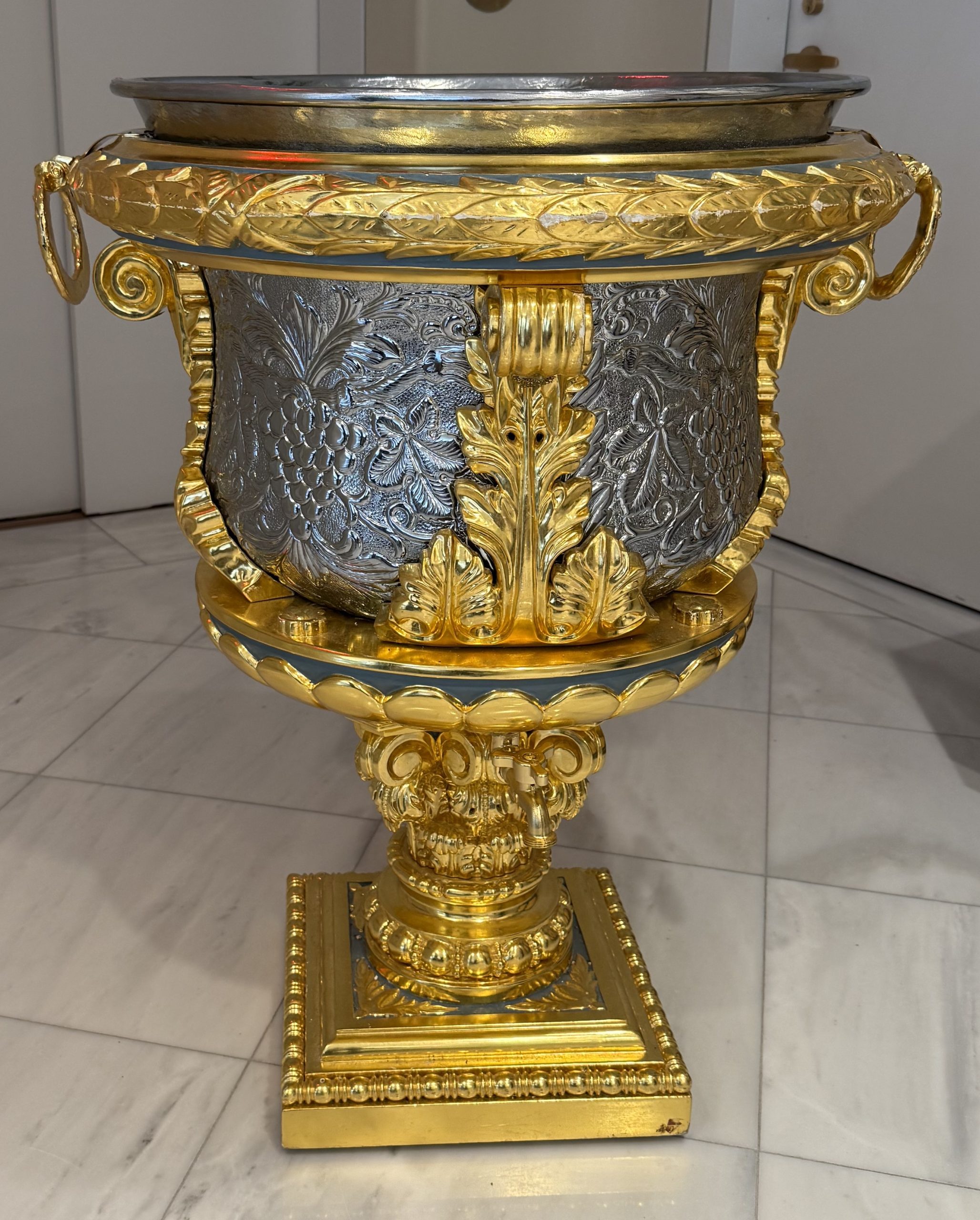
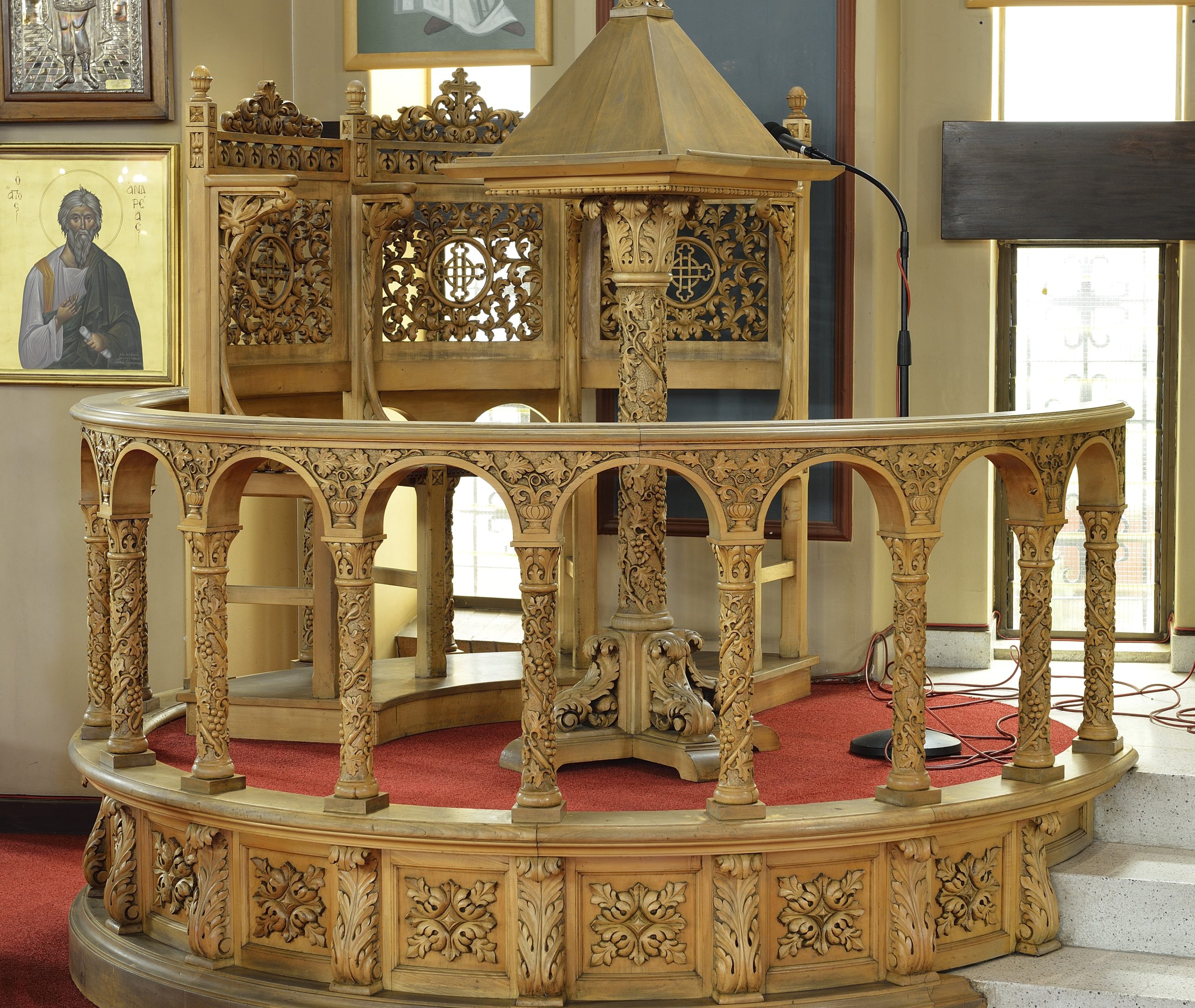
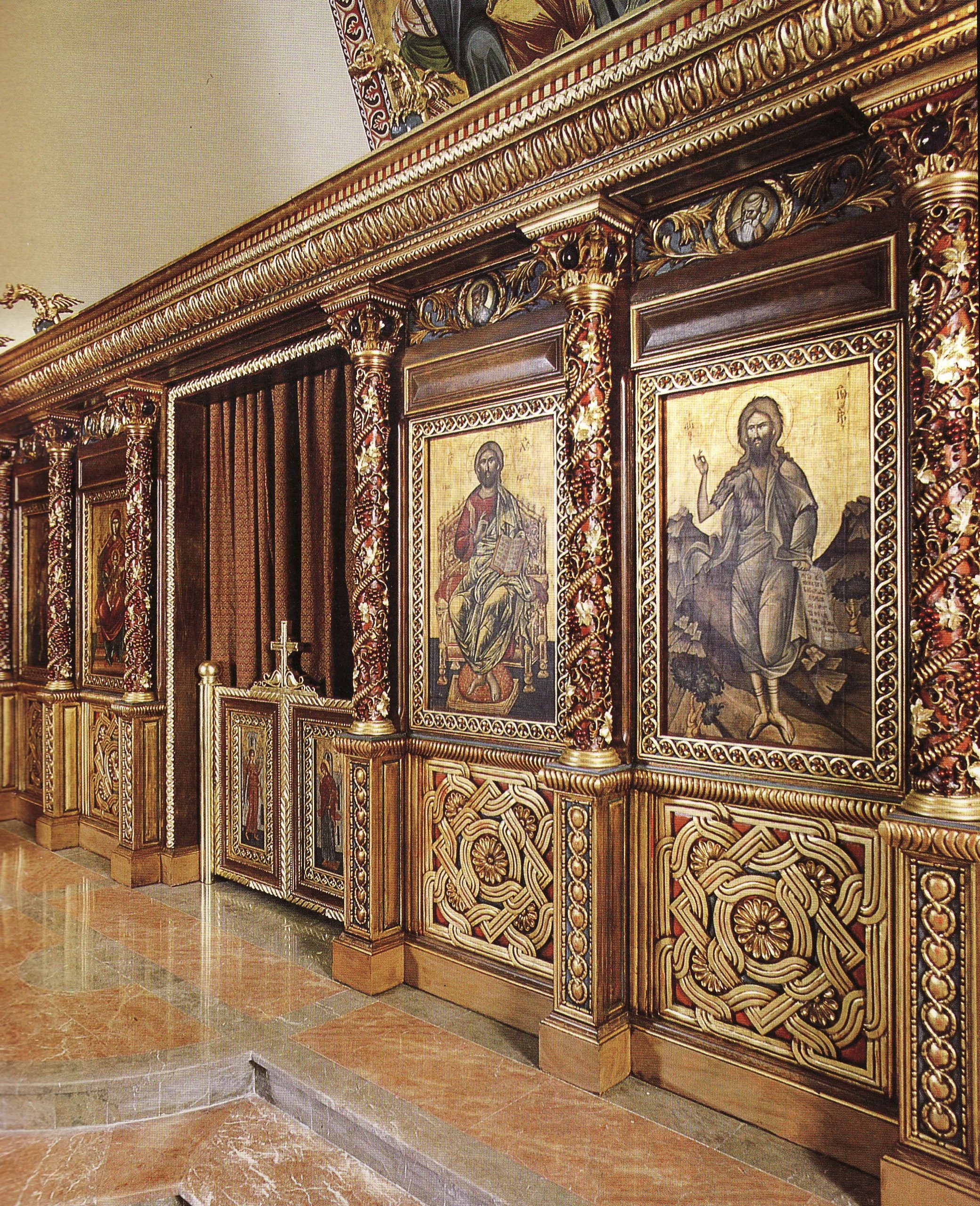
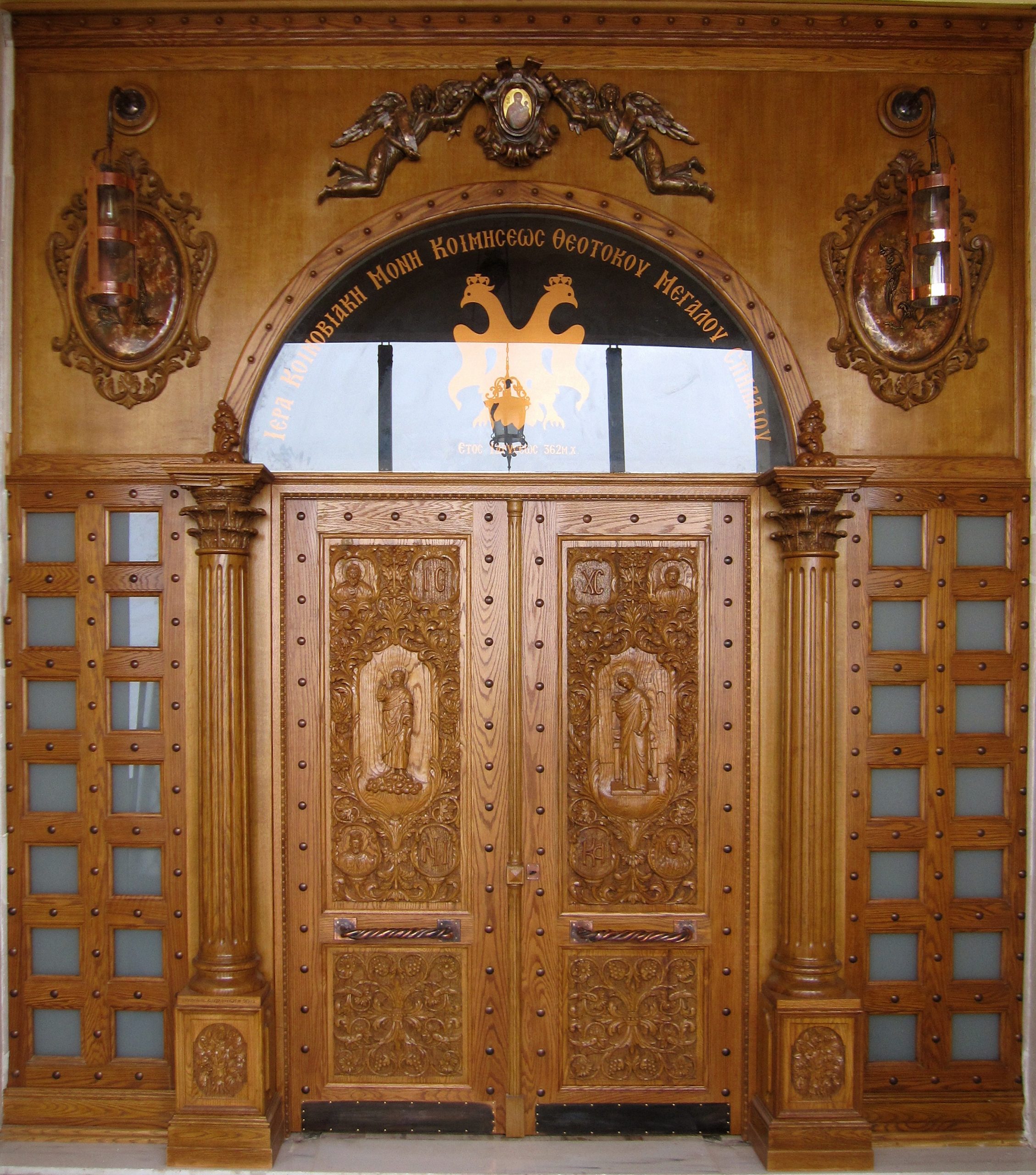
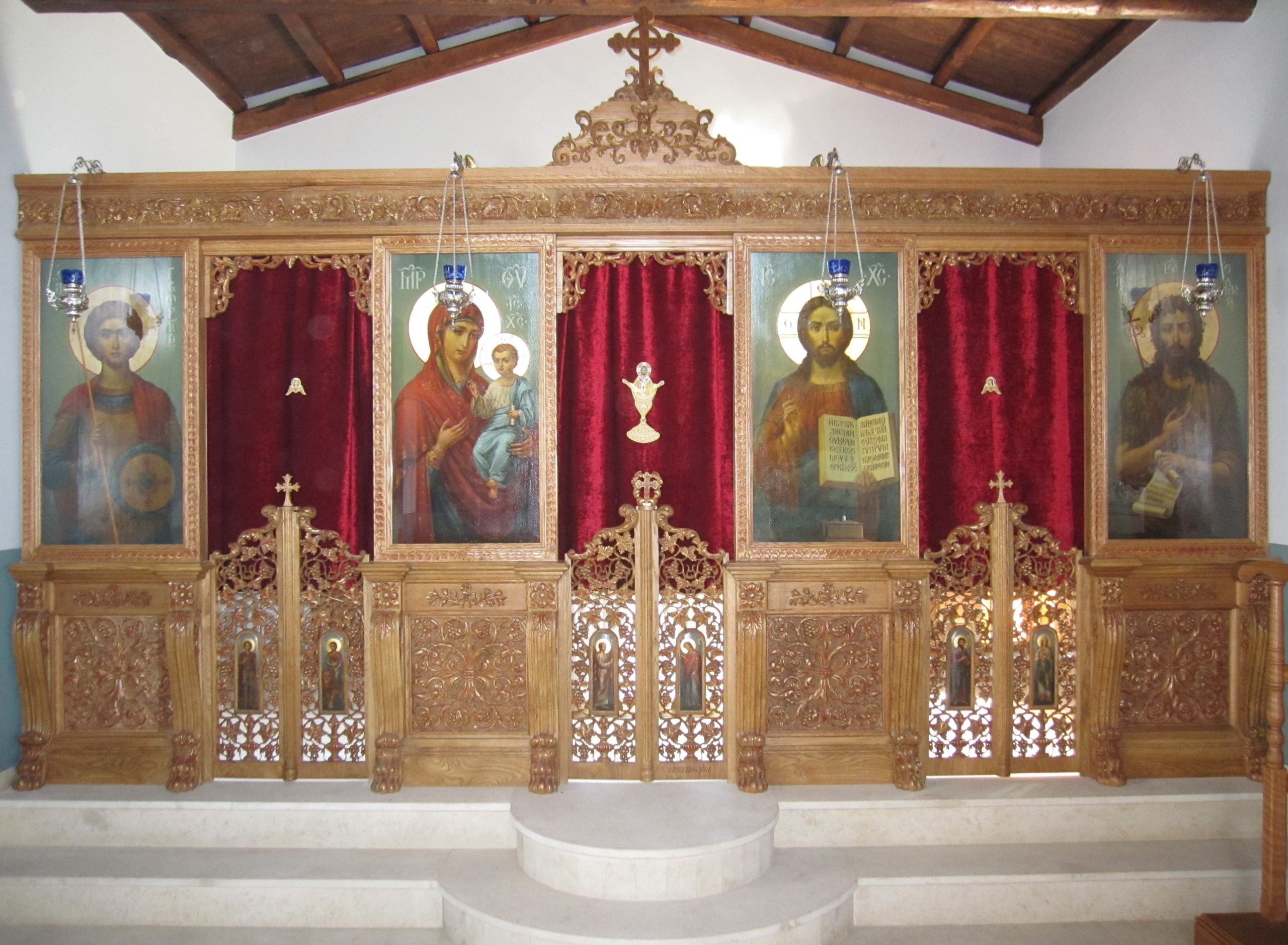
With their wood carvings Theophilos and John has graced numerous temples in Greece and abroad, such as the Temple and other woodwork in the church of St Constantine in Hydra, the Monastery of St. Panteleimon in Penteli, and Almighty church in Zante. Their works of art are also located in Pretoria, Port Elizabeth and Cape Town, Africa, Madrid, London, Korea, the Church of the World Council of Churches in Geneva, in the United States of America and in Australia.
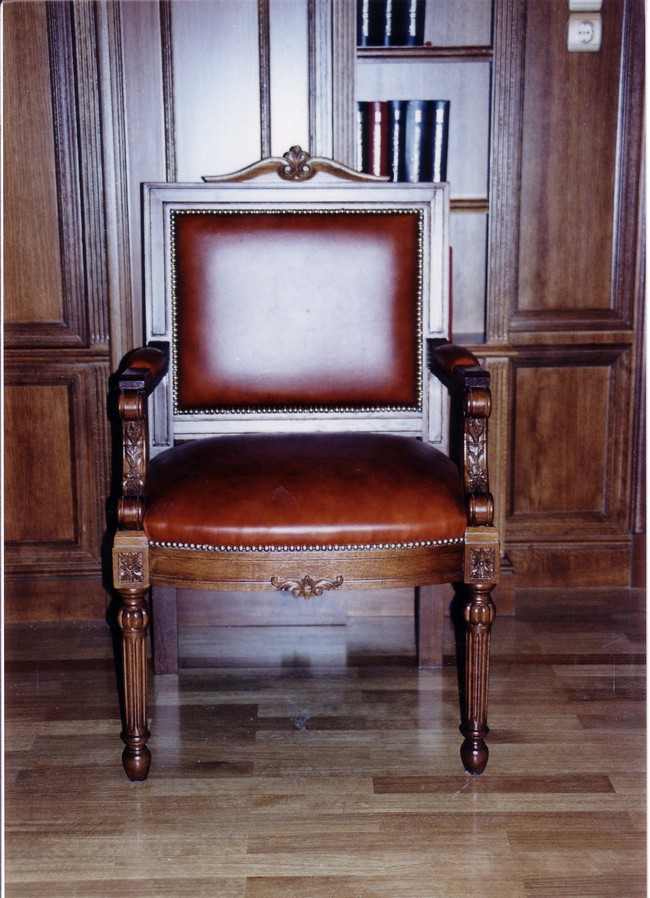
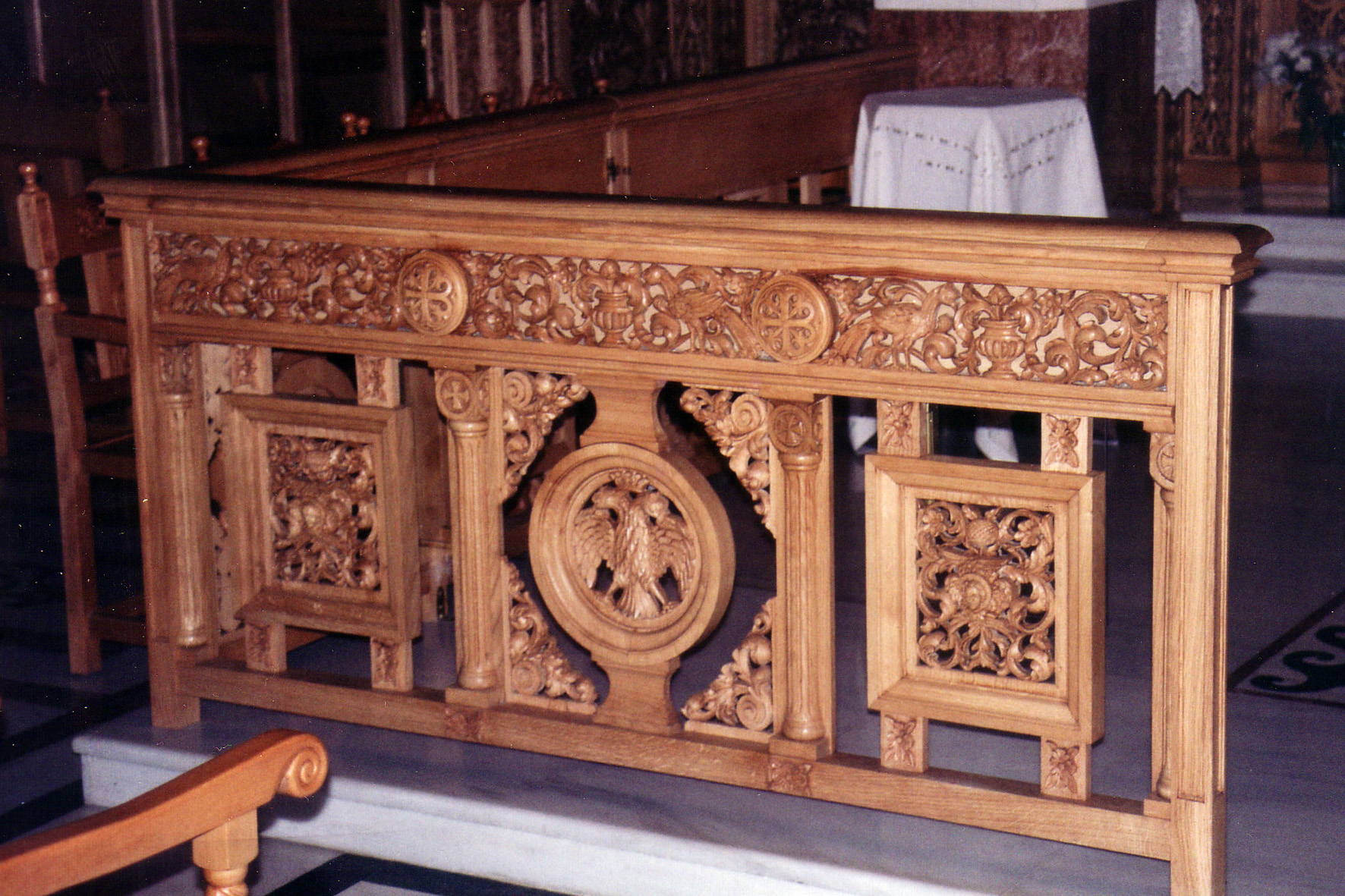
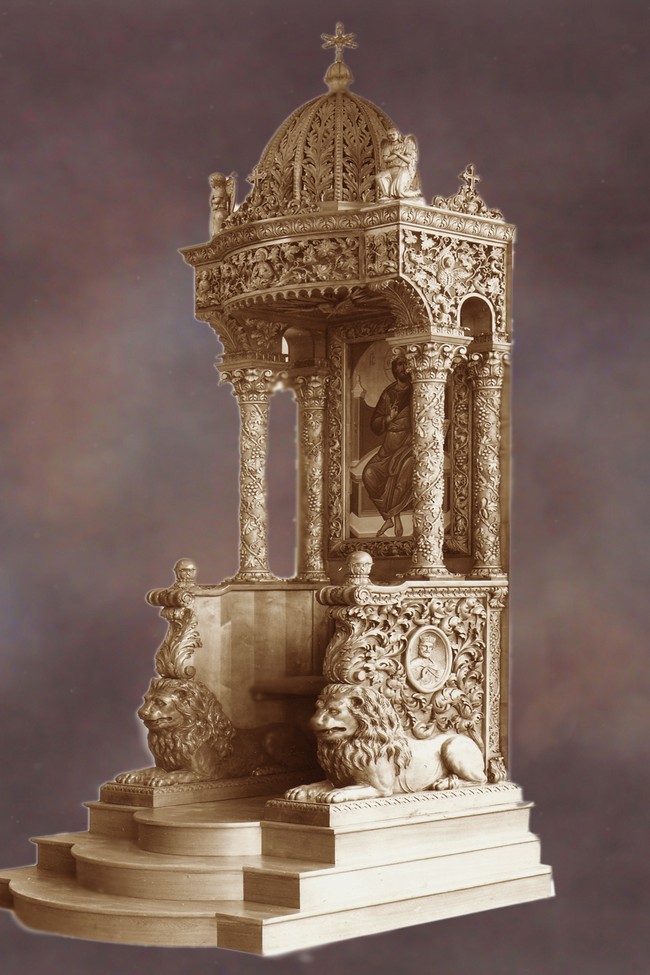
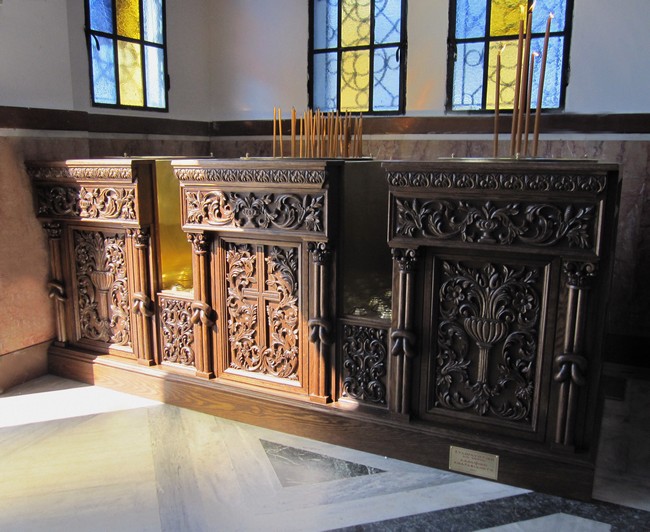
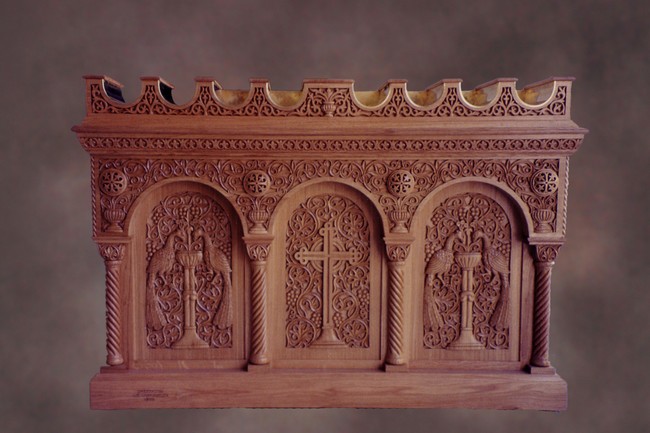
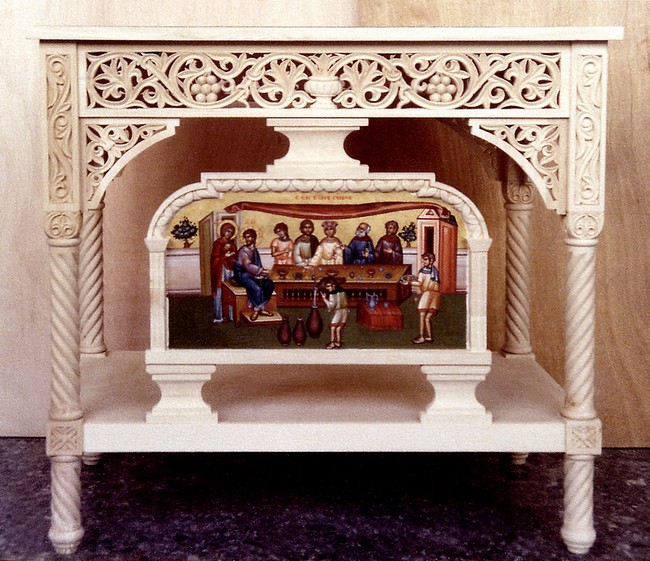
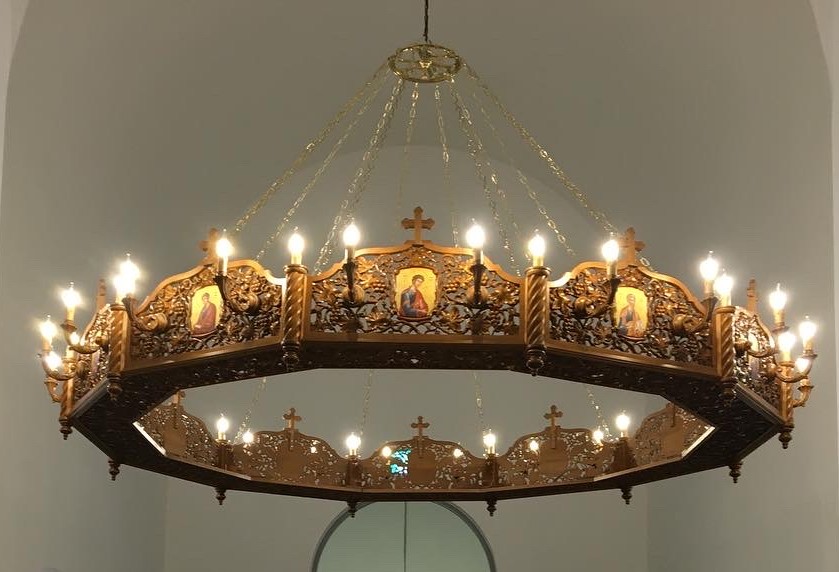
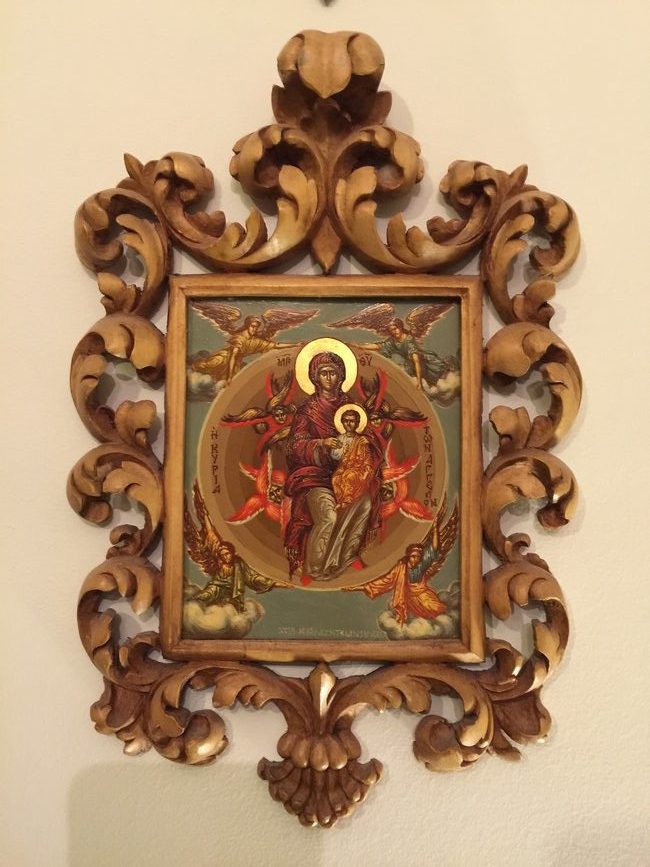
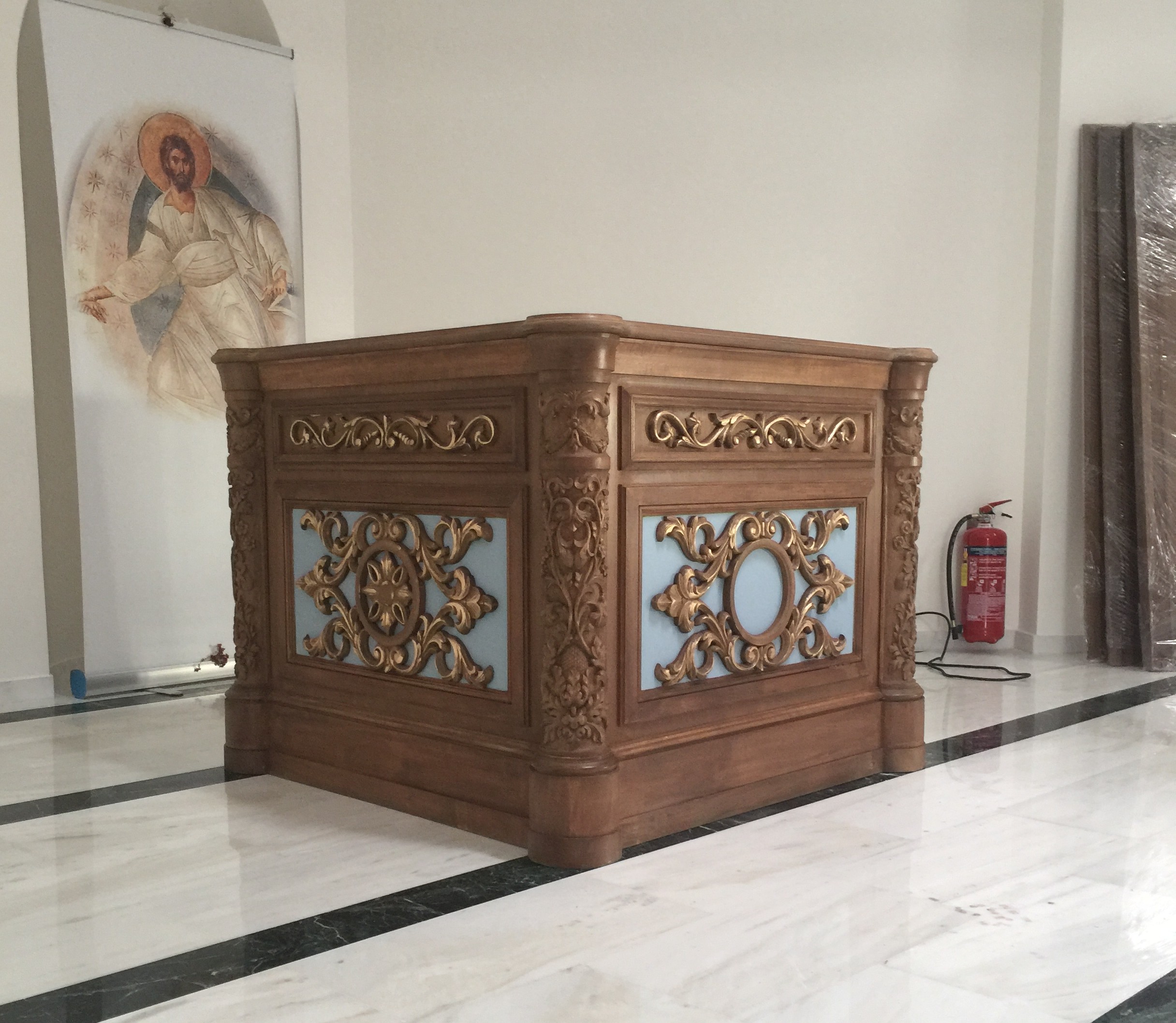
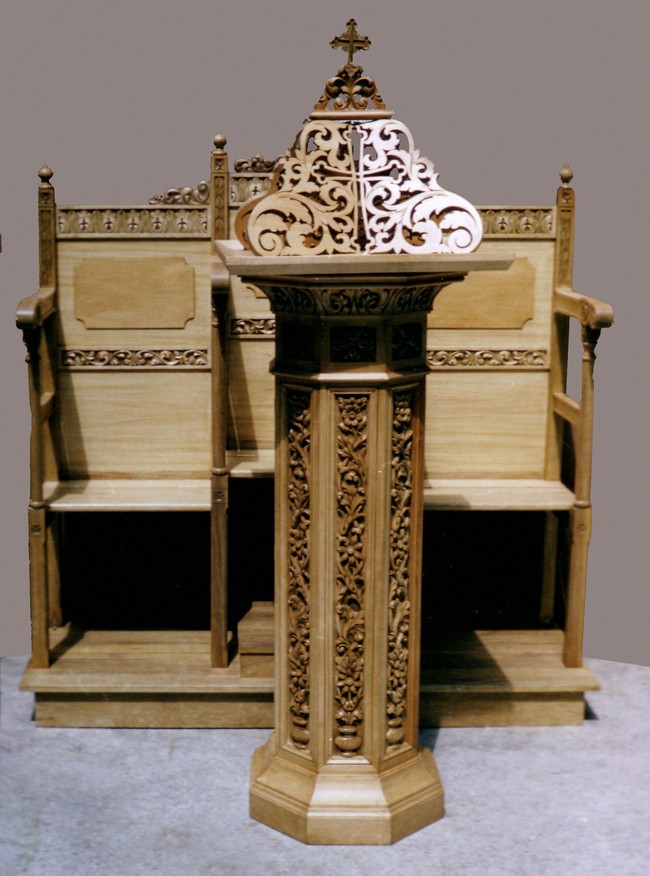
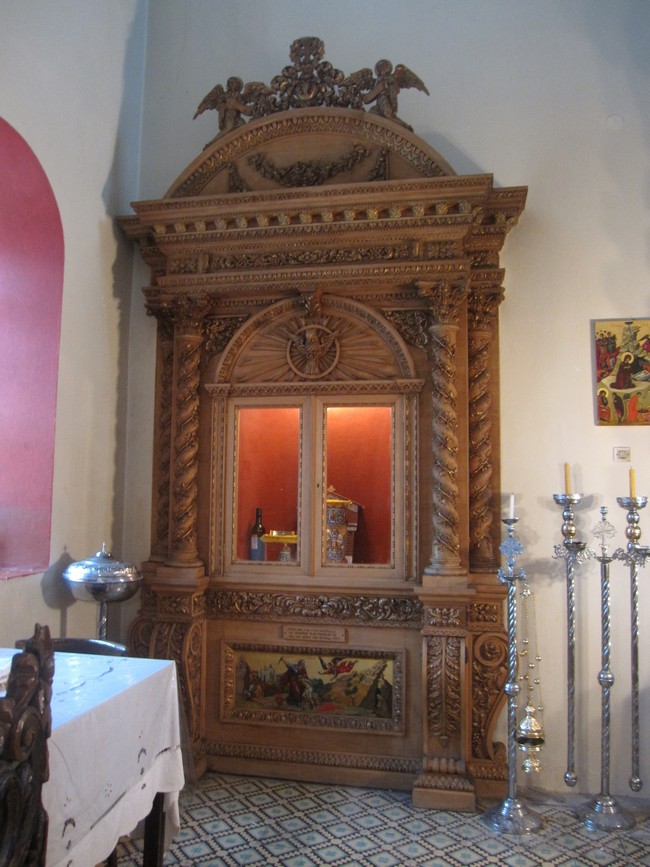
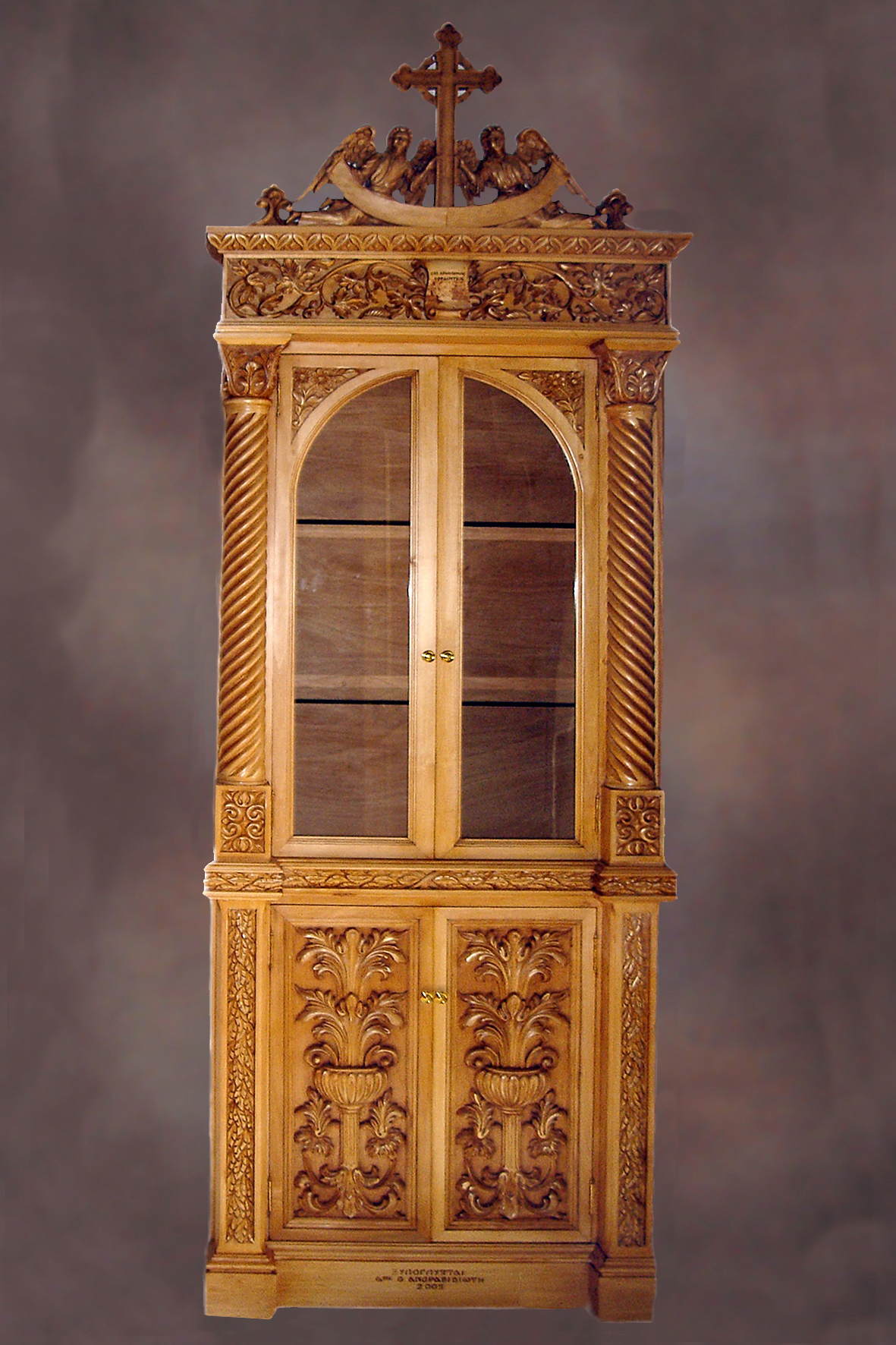
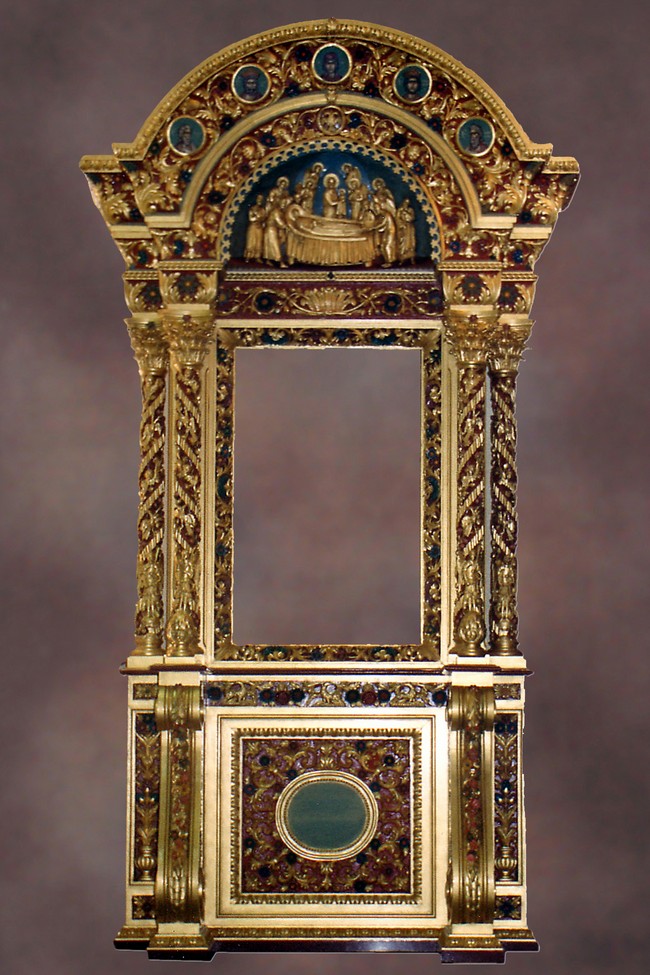
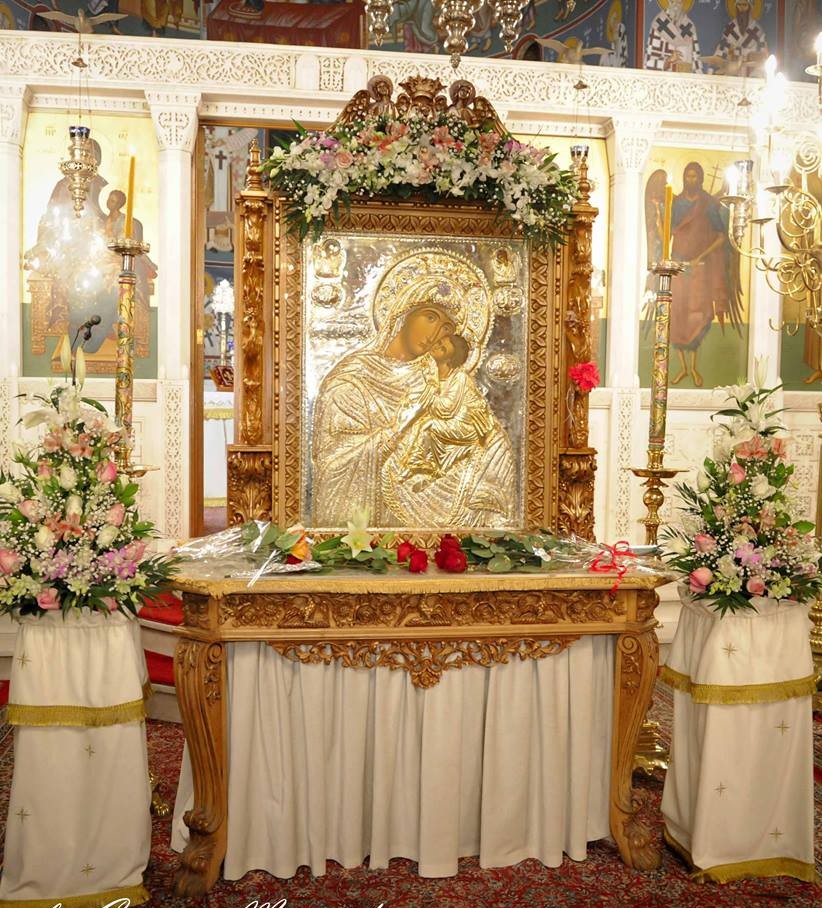
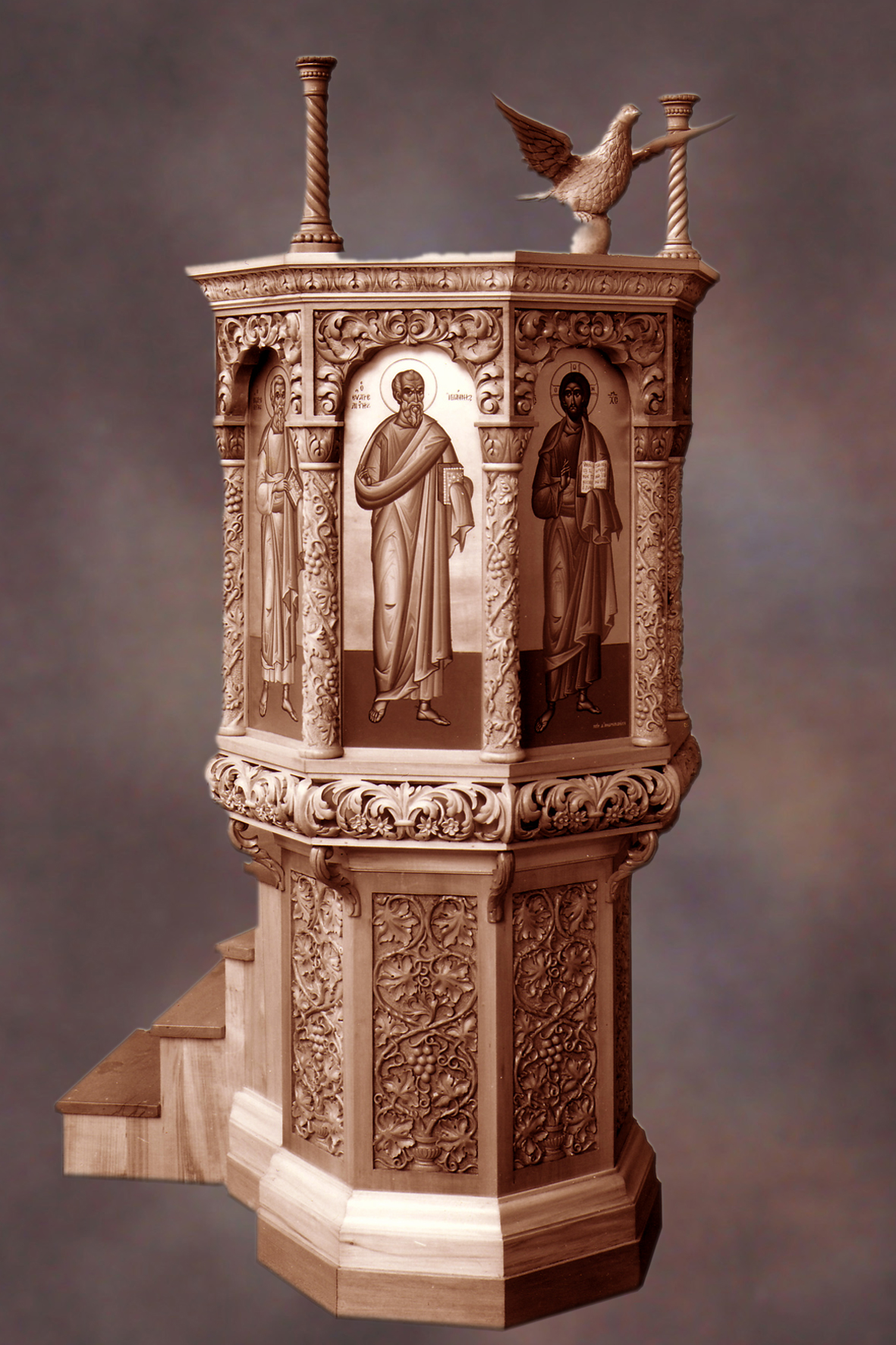
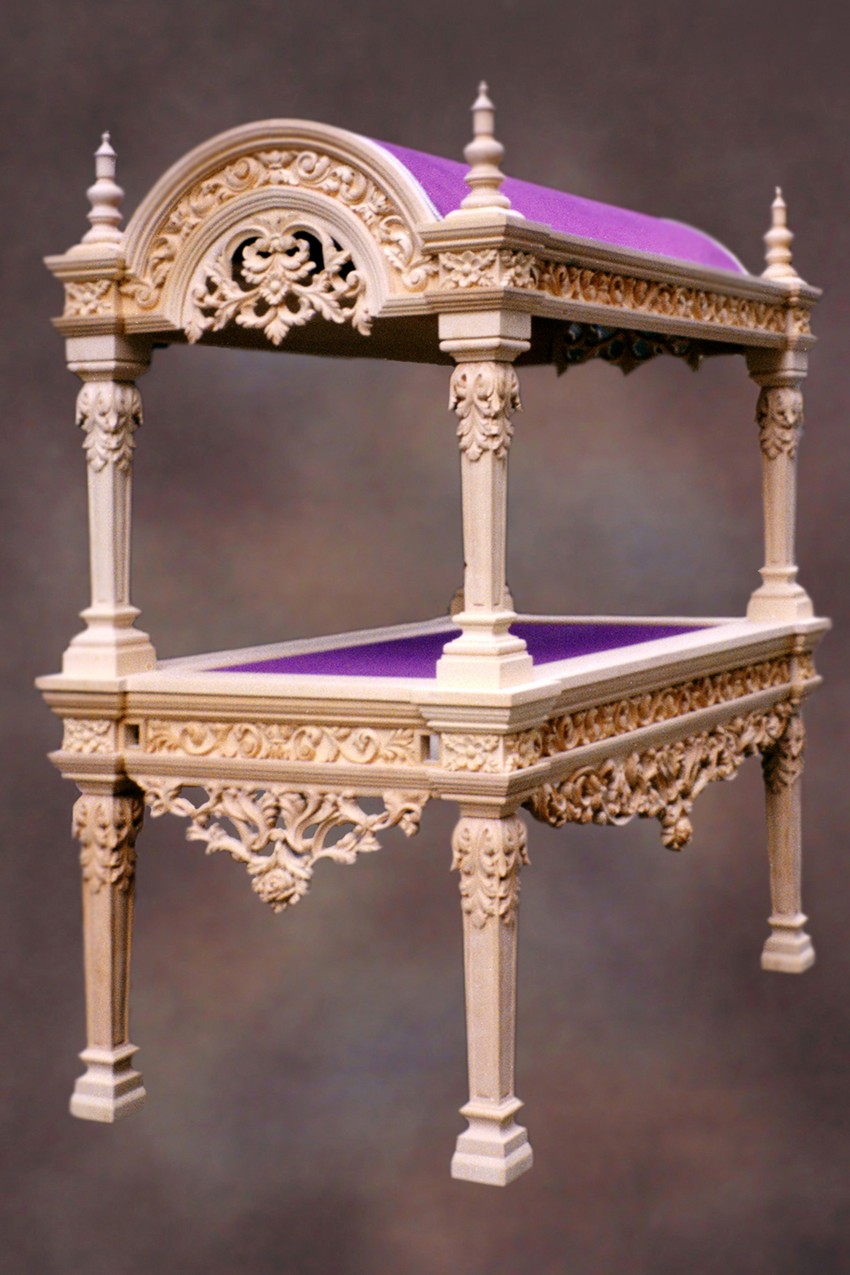
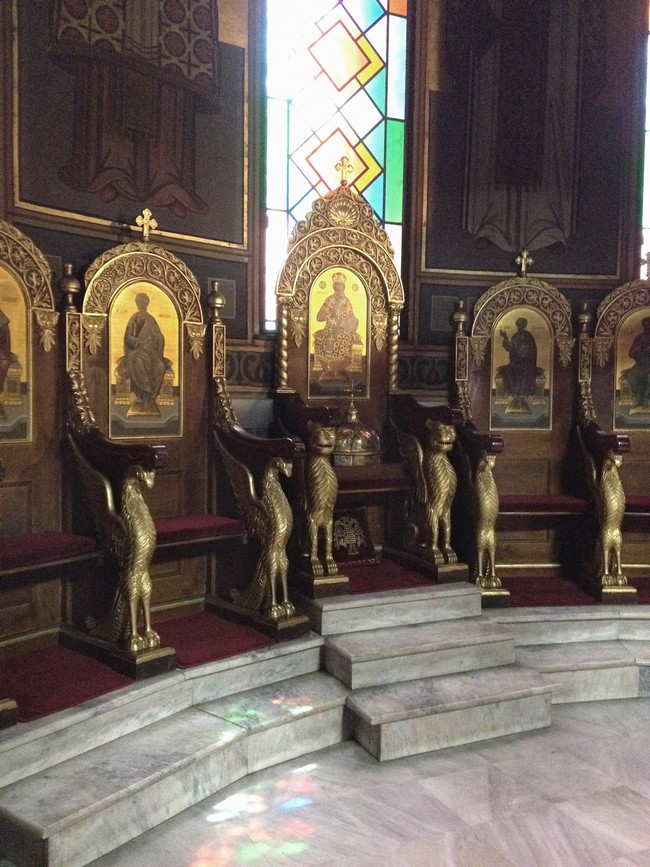
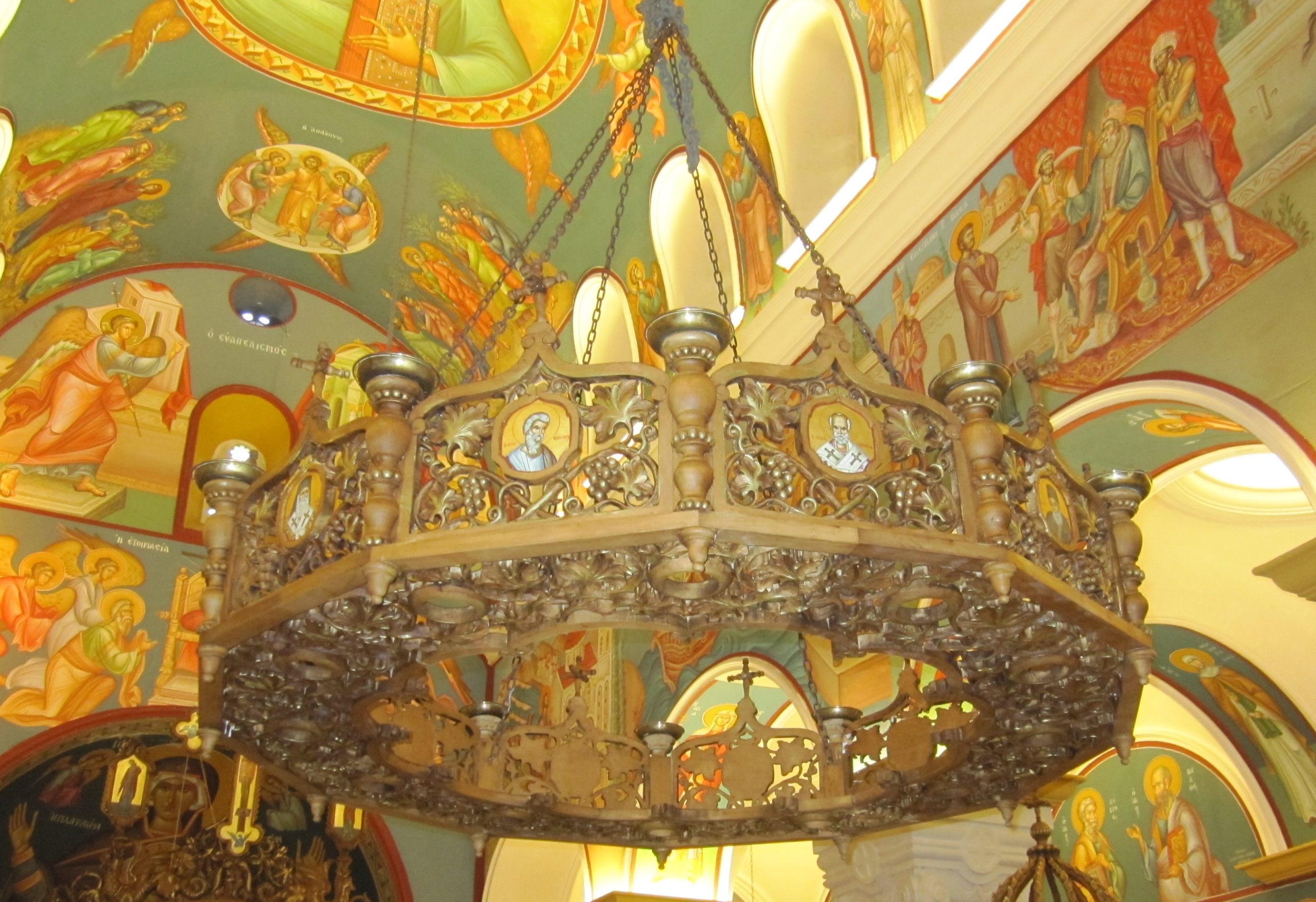
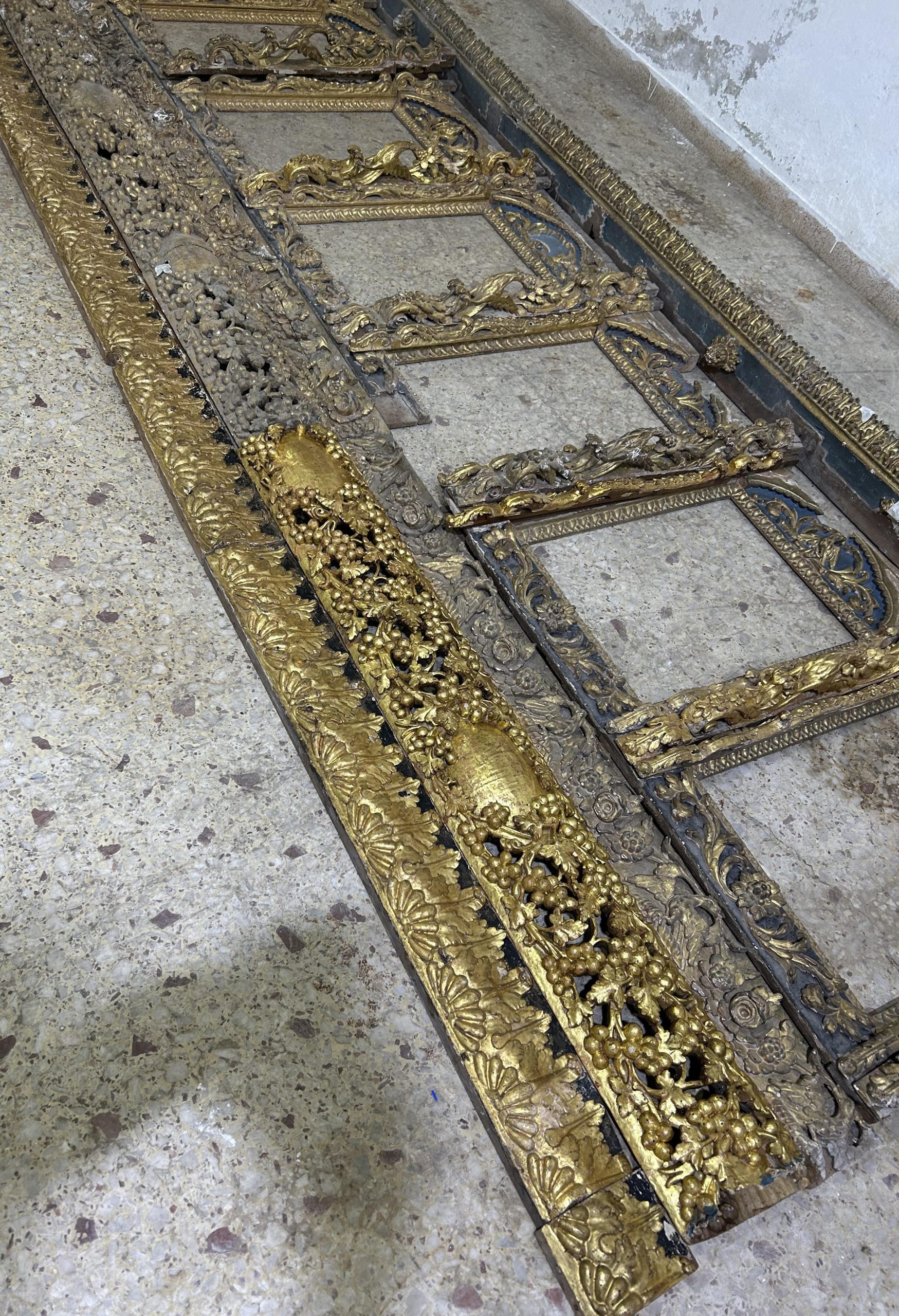
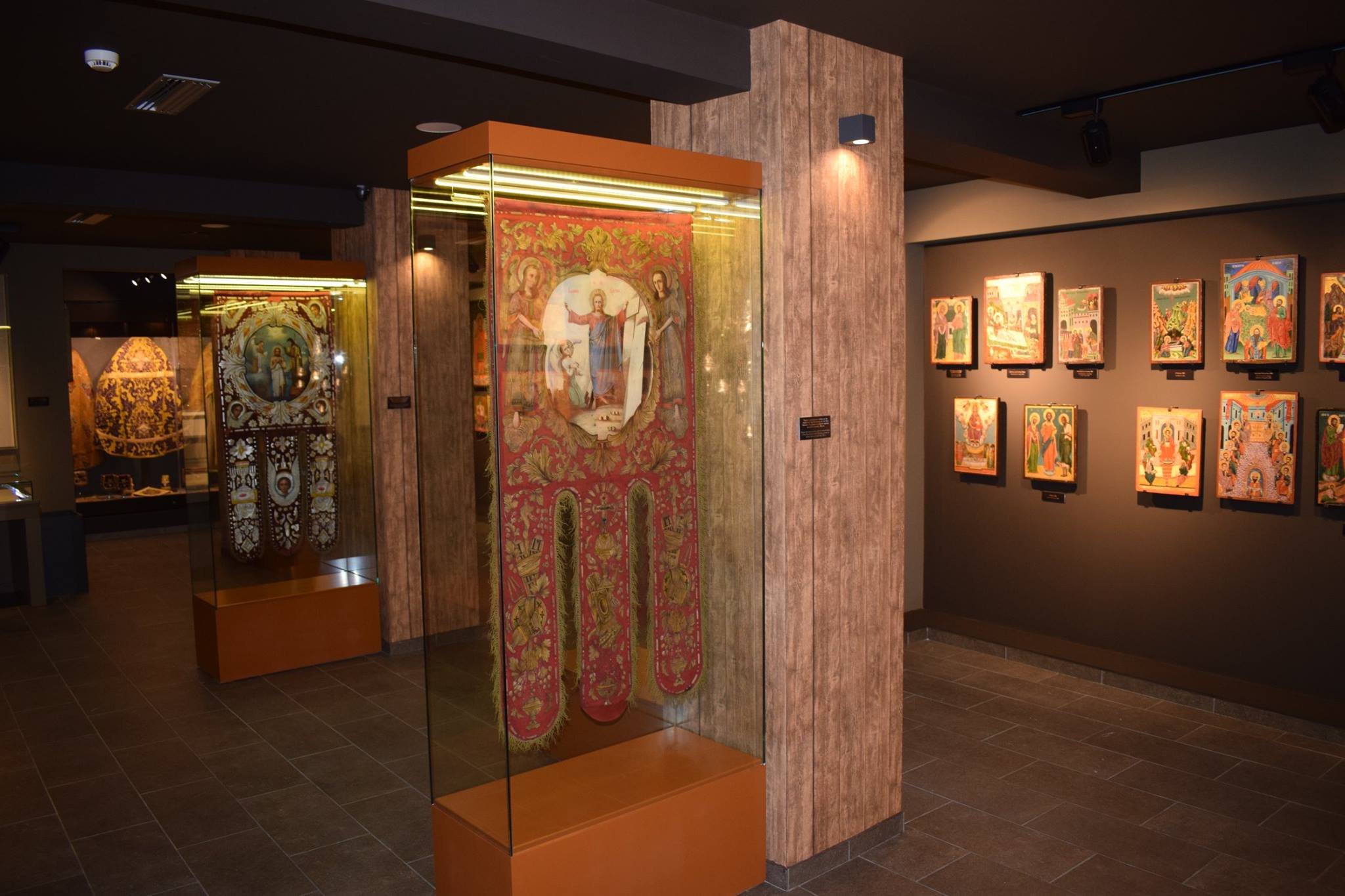
The two brothers have worked for approximately thirty-six Temples, eight restorations of Temples and for one hundred and fifty other churches, woodcut ecclesiastical items (shrines, despotic thrones, lecterns, pews, candle stands, jewelry cases, pulpits, etc.) in Greece and abroad, Zurich, Seoul, London, Cape Town, Johannesburg, Pretoria, Finland, Madrid, Hanover, Bethesda – U.S., Pontiac Michigan, Minnesota – Minneapolis. It’s worth mentioning their cooperation with public institutions and the Ministry of Culture specifically, with the Historical Archive and the Ecclesiastical Museum of Hydra, the Holy Fathers’ Museum of Corfu and the Room of paintings in Tinos.
With the art of woodcarving first dealt Adravidiotis Nicholas (1896-1954), who relying solely on his natural talent for dealing with this art, he managed to become a leading teacher of woodcarving.
He created unique works of ecclesiastical art, often praised by Greek and European critics. Worthy descendants and successors of the great artist are Nicholas’ sons, Theophilos and John, who have studied at the side of their father, a great successor of the Byzantine tradition. Theophilos was born in Zakynthos in 1930 and from a very early age began to take drawing and wood carving lessons by his father, together with his brother John. Later he came in Athens, where a few years later came and settled the whole family.
With their wood carvings Theophilos and John has graced numerous temples in Greece and abroad, such as the Temple and other woodwork in the church of St Constantine in Hydra, the Monastery of St. Panteleimon in Penteli, and Almighty church in Zante. Their works of art are also located in Pretoria, Port Elizabeth and Cape Town, Africa, Madrid, London, Korea, the Church of the World Council of Churches in Geneva, in the United States of America and in Australia.
The two brothers have worked for approximately thirty-six Temples, eight restorations of Temples and for one hundred and fifty other churches, woodcut ecclesiastical items (shrines, despotic thrones, lecterns, pews, candle stands, jewelry cases, pulpits, etc.) in Greece and abroad, Zurich, Seoul, London, Cape Town, Johannesburg, Pretoria, Finland, Madrid, Hanover, Bethesda – U.S., Pontiac Michigan, Minnesota – Minneapolis. It’s worth mentioning their cooperation with public institutions and the Ministry of Culture specifically, with the Historical Archive and the Ecclesiastical Museum of Hydra, the Holy Fathers’ Museum of Corfu and the Room of paintings in Tinos.
TODAY
the continuation of Byzantine Art
WOODCARVING
Andravidiotis Bros
Today the great family tradition in woodcarving is continued by Theophilos children; Eleftherios and John, who walking the path of their father and grandfather have undertaken the creative and faithful reproduction of the great Byzantine Art and the in Third Millennium.
It is worth noting that the last two restored and filled the wood carved Temples, and other wood carvings of Benaki Museum, in Athens, wood carvings in the Holy Pilgrimage of Evaggelistria in Tinos, temple and other wood carvings in the Holy Church of God’s Wisdom in Basel, Switzerland, St. Demetrios Church in Zurich, Holy Trinity Monastery in Lidula Finland, the church of St. Luke Hong Kong, China.
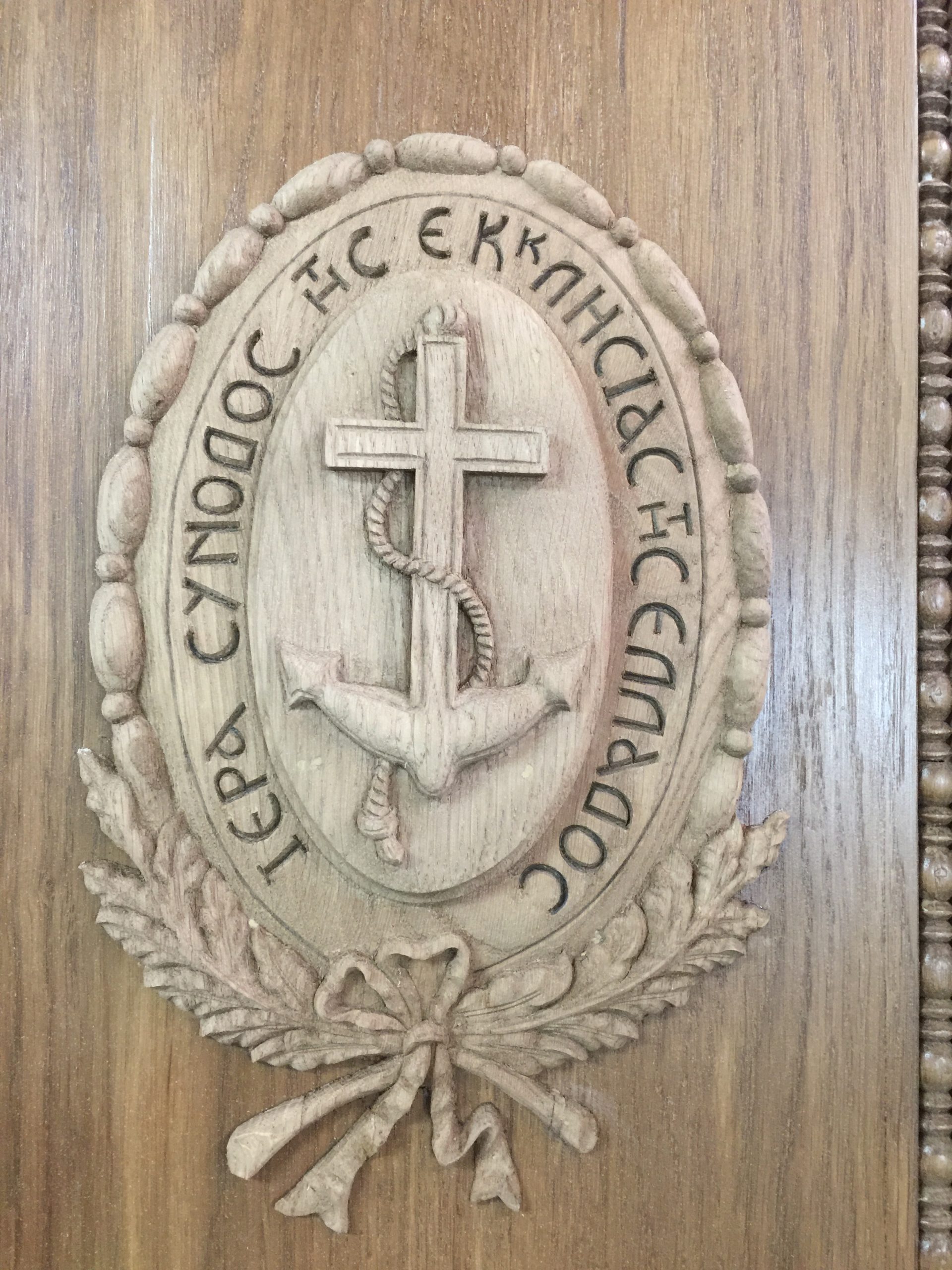
Also the office of the President of the Holy Synod of the Greek Church, the Bishop’s Residence of the Holy Archdiocese of Athens and numerous projects in many churches all over Greece.
They are registered members of the Technical and Professional Chamber of Greece. Ioannis is also a member of the Church Building Department of the Church of Greece and serves on the Special Synodal Committee for the Academy of Ecclesiastical Arts of the Church of Greece.
HONORS & AWARDS
Thessaloniki International Fair
Gold Medal
Thessaloniki International Fair
Gold Medal
Thessaloniki International Fair
Degree
Thessaloniki International Fair
Silver Medal
Dowling College Mediterranean New York
Honorary Plaque
ARTICLES
newspaper & book related to the andravidioti woodcarving workshop
- Newspaper [Helliniko Aima] May 28th 1948
- Newspaper [Apogeymatini] August 20th 1953
- Newspaper [Vradini] August 23rd 1954
- Newspaper [To Vima] November 27th 1955
- Newspaper [Herald Report of Africa] August 10th 1968
- Newspaper [Vradini] May 13th 1995
- Newspaper [I Neoi Keroi] October 9th 1988
- Newspaper [I Neoi Keroi] October 16th 1988
- Newspaper [Keskiviikona of Finland] January 16th 2000
- Contemporary Personalities of Greece [Elliniki Ethniki Grammi]
- Icon Art [Apostoliki Diakonia tis Ekklisias Tis Ellados] 2003
- Greek Woodcarvers [Smili] 1996
- Contemporary Construction [Ch.G. Kornaros] 1961
- Scrapbook H. Metropolis Kitros - Katerini & Platamonas 1962
- Greek Guide of Fine Arts [Hellenic Press] 1975
- Churches of Creek Emigrants [Karakotsoglou] 2005
CREATIONS
ABOUT ART AND TRADITION
The art of carving and sculpture were some of the oldest human activities.
Thousand years ago human beings had found the way to work with different materials, including wood by giving it various shapes. As the years went by and with the civilization progress, woodcarving became a need of expression and creation, and the artist’s role was and is, to interpret life and imprison the moment by giving them a steady shape.
The oldest woodcarving specimens exist in Egypt, because of the climate and are mostly household utensils and devotional items.
Some of the most known woodcuts are the ones of the Solomon Temple, which were ruined by the Chaldeans invasion, Kypselos’ larnax in Olympia etc.
In Western Europe and mostly in Paris from 12th to 16th century gothic art was developed with particular woodcuts on Churches doors and Crucifixes. At the same time begins the furniture decoration in different artistic styles such as, the wood carved furniture of Ludovics, Baroque, Florence and others that until today are followed and copied by modern carvers.
t the same period and maybe even earlier begins the Greek artistic activity including the whole of Balkans reaching the inland of Western Asia. During the Byzantine period meats special ascent, decorating churches, works which exist until today such as the door of Olymbiotisis’ Convent in Elassona (1296) and St. Georges Portal of the Temple in Kastoria. Carvers, who made most of those arts, were from the Pindos and Olympus areas. Other known centres of the Greek woodcarving art are the ones of Constantinople (Istanbul) and Mount Athos (Aghio Oros), whose artistic influence leaded the development of the decorative arts in Greece.
From the technical point of view in woodcarving, until the 17th century we mostly see flat figures with grooves or simple engravings. As from the 18th century the woodcrafts change and become lighter, recessed with plasticity in the elaboration of human faces, animals and figures of plants, which are made with artistic fantasy. Specimen of all those we can find on wooden walls and roofs of houses in Kastoria and Kozani, but also in Temples all over Greece and particularly in Zakynthos Island, were the influence of the western woodcarving is more than obvious. One of the best specimens is the one of Holy Mary’s Temple (Phaneromeni), which is unfortunately ruined by the earthquake of 1956.
The art of carving and sculpture were some of the oldest human activities.
Thousand years ago human beings had found the way to work with different materials, including wood by giving it various shapes. As the years went by and with the civilization progress, woodcarving became a need of expression and creation, and the artist’s role was and is, to interpret life and imprison the moment by giving them a steady shape.
The oldest woodcarving specimens exist in Egypt, because of the climate and are mostly household utensils and devotional items.
Some of the most known woodcuts are the ones of the Solomon Temple, which were ruined by the Chaldeans invasion, Kypselos’ larnax in Olympia etc.
In Western Europe and mostly in Paris from 12th to 16th century gothic art was developed with particular woodcuts on Churches doors and Crucifixes. At the same time begins the furniture decoration in different artistic styles such as, the wood carved furniture of Ludovics, Baroque, Florence and others that until today are followed and copied by modern carvers.
At the same period and maybe even earlier begins the Greek artistic activity including the whole of Balkans reaching the inland of Western Asia. During the Byzantine period meats special ascent, decorating churches, works which exist until today such as the door of Olymbiotisis’ Convent in Elassona (1296) and St. Georges Portal of the Temple in Kastoria. Carvers, who made most of those arts, were from the Pindos and Olympus areas. Other known centres of the Greek woodcarving art are the ones of Constantinople (Istanbul) and Mount Athos (Aghio Oros), whose artistic influence leaded the development of the decorative arts in Greece.
From the technical point of view in woodcarving, until the 17th century we mostly see flat figures with grooves or simple engravings. As from the 18th century the woodcrafts change and become lighter, recessed with plasticity in the elaboration of human faces, animals and figures of plants, which are made with artistic fantasy. Specimen of all those we can find on wooden walls and roofs of houses in Kastoria and Kozani, but also in Temples all over Greece and particularly in Zakynthos Island, were the influence of the western woodcarving is more than obvious. One of the best specimens is the one of Holy Mary’s Temple (Phaneromeni), which is unfortunately ruined by the earthquake of 1956.
Today there are only few carvers who continue to work on the Temples decoration, by saving and continuing the tradition and enriching the art of woodcarving with Modern Greek elements.
Though this ancient art remains a classic manifestation of the Greek aestheticism.